Best Moisturizer for Acne-Prone Skin with Zinc and Salicylic Acid Under $45: 2026 Guide
Disclosure: This post may contain affiliate links. We may earn a commission on qualifying purchases at no extra cost to you.
If you have acne-prone skin, you’ve probably heard the lie that moisturizer will clog your pores and make breakouts worse. Spoiler: that’s wrong, and skipping it usually backfires. A lightweight moisturizer with zinc and salicylic acid under $45 is your secret weapon for calming breakouts without over-drying your skin or emptying your wallet.
The best acne-fighting moisturizer for your budget combines hydrating bases (glycerin, hyaluronic acid) with salicylic acid (exfoliating at 0.5–2%) and zinc (calming inflammation), stays non-comedogenic, and costs less than $45. Consistency matters more than brand prestige.
Why Acne-Prone Skin Needs Moisturizer (Even If You Think It Doesn’t)
I know what you’re thinking: “Won’t moisturizer make my acne worse?” The answer is almost always no—and here’s why. When you strip your skin with harsh cleansers or skip moisturizer entirely, your skin panics and overproduces sebum to compensate. That oil surge feeds acne bacteria and clogs pores, making breakouts worse.
A well-formulated moisturizer with the right active ingredients actually reduces breakouts by:
- Hydrating the skin barrier, lowering inflammation and redness
- Stabilizing oil production so your skin doesn’t overshoot to compensate
- Delivering salicylic acid (a chemical exfoliant) to unclog pores and dissolve dead skin buildup
- Providing zinc, which reduces sebum, fights P. acnes bacteria, and calms swelling
The catch: you need to pick the right moisturizer—one that’s non-comedogenic, oil-free, and formulated specifically for acne-prone skin. Not a heavy cream meant for dry skin.
What to Look For: The Core Ingredients Decoded
Salicylic Acid (BHA)
Salicylic acid is a beta hydroxy acid that penetrates oily skin and dissolves sebum inside pores. Look for a concentration between 0.5% and 2%. Anything below 0.5% is too weak; above 2% gets risky without a dermatologist’s okay.
Salicylic acid alone can be drying, which is why a moisturizer base matters. The acid exfoliates; the moisturizer base hydrates and prevents over-stripping. This dual action is the entire point of a salicylic acid moisturizer.
Zinc (or Zinc PCA, Zinc Gluconate, Zinc Oxide)
Zinc is an anti-inflammatory trace mineral that:
- Calms redness and swelling within hours (you’ll notice it)
- Reduces sebum production by up to 30% in some studies
- Has mild antimicrobial properties against acne-causing bacteria
You’ll see it listed as zinc PCA, zinc gluconate, or zinc oxide. All three work; zinc oxide is slightly more astringent and leaves a subtle matte finish, while zinc PCA feels lighter.
Hydrating Base (Glycerin, Hyaluronic Acid, Centella)
Salicylic acid + zinc alone would be too harsh. The moisturizer base keeps your skin barrier intact. Look for:
- Glycerin: A humectant that draws water into the skin (5–10% is typical)
- Hyaluronic acid: Holds up to 1000x its weight in water; super lightweight for acne-prone skin
- Centella asiatica (cica): A soothing plant extract that calms irritation—great pairing with actives
How to Choose the Right Moisturizer for Your Acne-Prone Skin
Not every acne-prone skin is the same. Hormonal acne, fungal acne, and bacterial acne all respond differently. Here’s how to narrow it down:
Even “gentle” acne moisturizers can irritate sensitive skin. Apply a dime-sized amount to your inner arm or behind your ear for 3 days before committing to your face. This catches allergies and irritation without wasting product.
Step 1: Identify Your Acne Type
Bacterial/hormonal acne (red, inflamed, pustules): Salicylic acid + zinc combo is your best bet. Salicylic acid unclogs pores; zinc calms inflammation.
Fungal acne (tiny bumps, itchy, often on chest/back): Salicylic acid helps, but look for added pyrithione zinc or ketoconazole. These antifungals are overkill in a moisturizer but can prevent flare-ups.
Hormonal acne (deep cysts, jawline breakouts): Salicylic acid + zinc alone won’t cure it, but they’ll reduce severity. You’ll likely need oral medication or topical retinoids alongside the moisturizer.
Step 2: Match to Your Skin’s Oil Level
Very oily: Seek gel or serum-like textures. Niacinamide (4–5%) is a bonus—it regulates sebum without the drying feel of salicylic acid alone.
Combination (oily T-zone, normal/dry cheeks): A lightweight lotion or water-based cream works. You want hydration without heaviness.
Sensitive + acne-prone: Start with lower salicylic acid (0.5%) and pair it with barrier-healing ingredients like panthenol or allantoin. This setup reduces irritation risk.
Step 3: Check the Price and Format
Under $45 is your budget. Prices vary wildly by:
- Jar vs. pump: Pump bottles are more hygienic; jars are cheaper but expose product to bacteria
- Ounce size: Larger sizes (4+ oz) lower the cost per ounce but need to be used within 6 months
- Brand premium: K-beauty and indie brands often undercut luxury prestige brands by 50% for the same actives
How to Use a Salicylic Acid + Zinc Moisturizer Correctly
Even the best product will disappoint if you don’t layer it right. Here’s the exact routine:
Morning Routine (Simple)
- Cleanse: Use a gentle, sulfate-free cleanser (avoid harsh scrubs or double-cleansing).
- Pat dry: Leave skin slightly damp, not dripping wet.
- Apply moisturizer: Pump a pea-sized amount, warm it between your palms, press gently into the skin.
- Wait 2 minutes, then sunscreen: SPF 30+ is non-negotiable. Salicylic acid makes skin sun-sensitive.
Evening Routine (Active-Heavy)
- Cleanse: Use the same gentle cleanser (double-cleanse only if you wore makeup).
- Tone (optional): A hydrating toner adds a hydration layer and reduces irritation from the active.
- Apply salicylic acid moisturizer: Pea-sized amount, press in gently.
- Wait 15–20 minutes: Let the salicylic acid dry and penetrate. This reduces stinging.
- Optional second moisturizer: If your skin feels tight after 15 minutes, layer a second hydrating moisturizer on top (a technique called “sandwich layering”).
The “sandwich” technique (hydrating layer → active → hydrating layer again) is especially helpful if you have sensitive skin or if you’re using additional actives (like retinoids) on alternate nights.
What NOT to Mix With Your Salicylic Acid Moisturizer
- Vitamin C serum (morning)
- Niacinamide serum
- Hydrating toners
- Sunscreen (essential)
- Lightweight face oils on damp skin
- Vitamin A (retinol, retinoids)
- AHAs (glycolic, lactic acid)
- Benzoyl peroxide (same night)
- Physical scrubs
- Fragrant or essential oils
If you want to use retinoids, save them for alternate nights and use a gentler moisturizer on retinoid nights. Combining too many actives is the #1 reason people experience irritation and give up.
Red Flags: When Your Moisturizer Is Causing More Breakouts
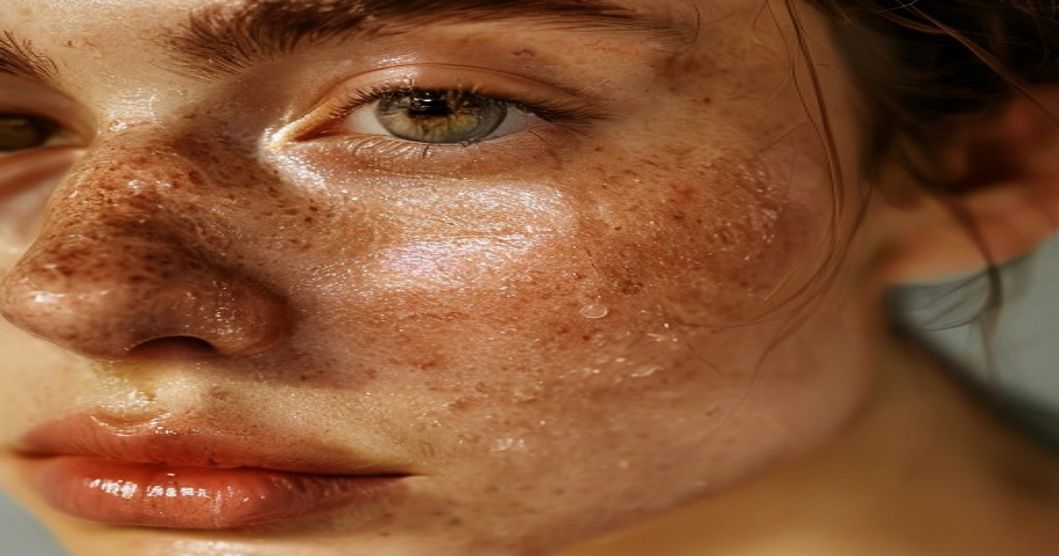
Sometimes the moisturizer itself is the culprit, even if the ingredient list looks clean. Watch for these warning signs:
Immediate Signs of Irritation (First Week)
- Stinging or burning during application (mild is normal for salicylic acid; intense is not)
- Visible flaking or peeling within 2 days
- Redness spreading beyond problem areas
- Itching or hives (allergic reaction—stop immediately)
Delayed Breakouts (2–4 Weeks)
- A sudden surge of tiny whiteheads (comedones) across your T-zone
- Cystic breakouts appearing in areas you don’t usually break out
- Existing acne not improving after 4 weeks (expected: mild improvement by week 2)
Delayed breakouts usually mean the moisturizer base is too occlusive (has too much silicone or oil) or you’re sensitive to an ingredient. Common culprits: squalane, dimethicone, fragrance, or even certain preservatives. Try a different formula from a different brand—not all “acne-safe” moisturizers work for every person.
Who This Product Is For (And Who It’s Not)
Perfect For
- Oily and combination skin with active bacterial or hormonal breakouts
- People using oral acne medication (like spironolactone) who still need topical support
- Anyone whose skin got worse from skipping moisturizer (hint: it’s most of us)
- Skin-care beginners who want one product to hydrate + treat (simplifies routine, reduces irritation risk)
- Budget-conscious people who refuse to spend $60+ on skincare
NOT For
- Severely dry or dehydrated skin (you need a richer cream, like a squalane-based moisturizer for dry skin)
- Skin already using tretinoin or adapalene (start with a gentler, non-active moisturizer to avoid over-exfoliation)
- Fungal acne only (you’ll need an antifungal-specific product, not just salicylic acid)
- People with extreme sensitivity to actives (high risk of irritation; consult a dermatologist first)
- Skin that reacted badly to salicylic acid in the past (this product won’t magically change that)
Budget Shopping Tips: Finding Affordable Acne Moisturizers
Under $45 sounds like a tight budget, but there are solid options. Here’s where to look:
- Amazon and drugstore chains: Brands like CeraVe, Neutrogena, and Cetaphil often have salicylic acid options in the $12–25 range. Bonus: Amazon Prime often ships these in 2 days.
- K-beauty and indie brands: Brands from South Korea often undercut Western brands by 40% while using identical or better actives. Check trusted retailers, not sketchy marketplace resellers.
- Store brands: Target, CVS, and Walgreens carry house-brand versions of popular acne moisturizers at 30–50% less.
- Sales and subscription deals: Sign up for brand emails to catch seasonal sales. Some brands offer 15–20% off first orders.
A warning: don’t chase the cheapest option just to save $5. If a moisturizer constantly breaks you out or irritates your skin, it’s wasted money. Spend the $45 on something proven, not a $15 gamble.
Comparing Acne-Fighting Moisturizers: Key Specs
Not sure how to compare options? Here’s a quick reference for what to check on product labels:
| Feature | What to Look For | Red Flag |
|---|---|---|
| Salicylic Acid % | 0.5–2% (goal: 1% for best results) | Below 0.5% (too weak) or above 2.5% (risky without supervision) |
| Zinc Form | Zinc PCA, zinc gluconate, or zinc oxide listed in top 10 | Zinc listed near the end (less than 0.5%) |
| Texture | Gel, serum, or lightweight lotion; matte finish | Heavy cream or feels slick (likely comedogenic) |
| Hydrators | Glycerin, hyaluronic acid, or centella asiatica in top 5 | Only water and actives (will feel drying) |
| Fragrance | Fragrance-free or “unscented” | “Fragrance” or essential oils listed (irritates acne-prone skin) |
| Price per Ounce | Under $10/oz (under $45 total for 4+ oz bottles) | Over $12/oz (paying for marketing, not ingredients) |
Print this table or screenshot it for the drugstore. It takes 30 seconds to cross-check a product and avoid impulse buying something that won’t work.
The Realistic Timeline: What to Expect
Acne doesn’t vanish overnight. Here’s a realistic month-by-month breakdown so you don’t lose hope:
Weeks 1–2: Adjustment Phase
You may experience mild dryness, light flaking, or slight stinging. This is normal; salicylic acid is exfoliating. Existing active breakouts might look slightly redder (zinc is drawing out inflammation—a good sign). Don’t panic and bail yet.
Weeks 3–4: Visible Improvement
Redness fades. New breakouts slow down. Texture feels slightly smoother. If you’re not seeing this, the product likely isn’t a fit for your skin—time to switch.
Months 2–3: Major Changes
Pores appear smaller. Blackheads dissolve. Fewer cystic breakouts. Skin looks clearer overall. This is the “wow, it’s actually working” phase.
Beyond 3 Months: Maintenance
If breakouts have dropped 70–80%, you’re in maintenance mode. Keep using the moisturizer 5–6 nights per week to prevent relapse. Overusing any active leads to tolerance, so cycling (using 5 nights on, 2 nights off) can extend its effectiveness.
Related Resources
If acne-prone skin is your focus, you might also benefit from exploring moisturizers tailored to other concerns alongside breakouts:
- Best Moisturizer for Sensitive Skin with Panthenol and Allantoin Under $35 — if your acne-prone skin is also reactive and easily irritated
- Best Moisturizer for Dry Skin with Squalane and Centella Asiatica Under $40 — if your skin swings between dry and oily
- Best Moisturizer for Combination Skin with Ceramides Under $30 — for balancing oily zones and normal areas
A salicylic acid + zinc moisturizer under $45 is one of the highest-ROI skincare purchases you can make for acne-prone skin. The combo hydrates while treating breakouts, preventing the over-drying trap that triggers more oil production. Start with a lower salicylic acid concentration (0.5–1%) if your skin is sensitive, give it 4 weeks of consistent use, and don’t skip the sunscreen. Buy from a reputable retailer (Amazon, drugstore chains, or verified beauty retailers), patch-test first, and remember: the best moisturizer is the one you’ll actually use every day.
Disclosure: This article contains affiliate links to products on Amazon. As an Amazon Associate I earn from qualifying purchases. I may earn a small commission if you click and buy, at no extra cost to you. I only recommend products I believe offer solid value for the price and ingredient profile, and I’m honest about drawbacks. Recommendations reflect my research into public specs and owner reviews, not personal testing or sponsorship.