Best Salicylic Acid Cleanser for Acne-Prone Skin: My Complete Guide by Skin Type
Disclosure: This post may contain affiliate links. We may earn a commission on qualifying purchases at no extra cost to you.
I spent most of my twenties convinced my acne was just… permanent. I’d cycle through brutal scrubs, whatever trendy spot treatment promised overnight miracles, and awkward dermatology visits where they’d suggest going straight to the heavy stuff instead of actually figuring out what my skin needed.
Then I found a really good salicylic acid cleanser—and crucially, one that matched my actual skin—could do the heavy lifting I’d been begging expensive serums and masks to handle. Nothing magical happened overnight, but something real did. Fewer clogged pores. Less angry redness. My skin stopped feeling like it was at war with me.
Why Salicylic Acid Actually Works (And Why Everyone Won’t Shut Up About It)
Here’s the real deal with salicylic acid: not magic, but genuinely smart chemistry. It’s a beta hydroxy acid (BHA), which means it’s oil-soluble. And that’s the whole game, because your pores aren’t dry—they’re packed with sebum, dead skin cells, and sometimes bacteria. Regular scrubs and water-based soaps can’t cut through that oily layer to actually unclog anything.
Salicylic acid dissolves through the oil, breaks up the debris, and exfoliates inside the pore. It’s also got some mild antibacterial action (though it’s not as aggressive as benzoyl peroxide). The result: usually fewer blackheads, less whiteheads, less shine in your T-zone, and fewer of those painful cystic breakouts that come from seriously blocked pores.
The hype is real because it actually works for a lot of people. But here’s where things fall apart: someone buys a random salicylic acid cleanser, their skin gets worse or nothing happens, and they assume it’s not for them. Usually the problem is the formula doesn’t match their skin, or they’re using it wrong.
Matching Salicylic Acid Cleanser to Your Skin Type (The Actual Framework)
Oily and Acne-Prone Skin
If your skin looks like glass by lunchtime and your breakouts are mostly blackheads and congestion, this is you. You can handle the stronger stuff.
Look for around 2% salicylic acid in a gel or foaming cleanser. Gel is your best bet—it rinses completely, no residue, no heavy feeling. Most people can use it twice daily, though starting with once at night is still the smart move. Pair it with something lightweight and oil-free. And yes, I know it sounds counterintuitive, but skip the moisturizer and your skin will just produce more oil to compensate. You need hydration, just not heavy occlusion.
The actual goal isn’t to dry your skin into submission. Over-dried skin just goes into oil-production overdrive. A solid cleanser plus basic hydrating moisturizer—that’s the combo that actually works.
Combination Skin
You’ve got the annoying combo: oily T-zone (forehead, nose, chin), but normal or dry cheeks. Breakouts tend to show up around your nose or jawline. Honestly, this is the most common skin type and also the most frustrating, because anything too strong makes your dry spots angrier, but anything too gentle doesn’t touch the oily problem.
A cleanser with 1–1.5% salicylic acid in a gel or micellar base usually hits the sweet spot. Use it daily at night, and skip it on nights when your cheeks feel parched. A hydrating essence or lightweight serum after cleansing helps the dry zones without weighing down the oily parts. Some people even do a targeted approach—salicylic acid cleanser just on the T-zone, gentler cleanser everywhere else. Yes, it’s fussy, but if you have truly opposing needs, it actually works.
Dry or Sensitive Skin with Some Acne
This one’s tricky. You want to tackle breakouts, but your skin feels tight, flaky, or reacts to everything. Maybe you have rosacea. The instinct is to avoid salicylic acid entirely, but that’s not always necessary—you just need restraint.
Look for a cleanser with around 0.5–1% salicylic acid, ideally creamy or micellar. Start using it a few times a week and immediately follow with a rich moisturizer or hydrating essence. Pay close attention to your skin. If you see more redness, flaking, or irritation, dial back to once weekly or stop. Pair this with a hydrating serum packed with hyaluronic acid to rebuild your barrier.
Some dermatologists recommend applying salicylic acid cleanser only where you actually break out (chin, forehead) and using something gentler everywhere else. That’s a totally solid strategy if your acne is localized.
Very Sensitive Skin or Active Barrier Damage
If your skin is currently angry—red, stinging, peeling from past over-treatment—salicylic acid might not be the right call right now. You’re probably better off with a genuinely gentle cleanser, a soothing niacinamide serum, and heavy moisture while your barrier recovers. Once things have calmed down (usually takes a few weeks), you can cautiously try a very low-strength salicylic acid product.
What People Don’t Tell You About Salicylic Acid Cleansers
Here’s the honest part: salicylic acid is an exfoliant, and exfoliants have a learning period. Your skin might look slightly worse for the first week or two. More redness, flaking, maybe even new breakouts as the cleanser pulls out stuff from deep in your pores. People call this “purging,” and it’s usually temporary.
The tricky part is telling the difference between normal adjustment and “this product is bad for you” irritation. Burning, intense stinging, or redness that won’t fade? Stop or dial back. Slight flaking and mild redness that settles? Usually just your skin adjusting.
And salicylic acid can make your skin more sun-sensitive, so nighttime use and daily SPF are important. I know everyone says this, but seriously—acne-prone skin has enough to deal with without sun damage piling on top.
Also: don’t use salicylic acid cleanser alongside other strong actives the same night. If you’re using retinol, vitamin C, or AHAs anywhere else in your routine, stick to the salicylic acid cleanser just a few nights weekly, not every single night. Your skin barrier is tougher than you’d think, but it’s not indestructible.

The Percentage Question: Does Higher Actually Mean Better?
Nope. A 2% salicylic acid cleanser is stronger than 0.5%, but strength and effectiveness aren’t the same thing. If you have thin, reactive skin, a gentle 0.5–1% formula used consistently will probably outperform a harsh 2% one that irritates you into skipping it half the time.
Most dermatologists say around 2% is solid for treating acne; anything higher just racks up irritation without real extra benefit. For oily skin with a tough barrier, 2% is fine. For everyone else, 1% or less is usually enough, especially if you’re consistent.
The formula texture matters as much as the percentage. A 1% salicylic acid in a hydrating gel might work better for your acne than a harsh, drying 2% that leaves your skin feeling suffocated.
Format and How to Actually Use It
Salicylic acid cleansers come in several formats: gels, foams, micellar solutions, and creams. Which one depends on your skin type.
Gel and foam cleansers work best for oily and combination skin. They rinse clean, don’t leave a heavy coating, and generally feel fresh. If you’re dealing with real oiliness, go here.
Micellar cleansers with salicylic acid are gentler and better for sensitive or dry-combination skin. They remove makeup and impurities without that tight, squeaky feeling. Some people use them as a first cleanse, then follow with a hydrating second cleanser. That double-cleanse thing actually works if you wear makeup and have sensitive, acne-prone skin.
Cream or lotion-based salicylic acid cleansers are less common but solid for dry skin. They’re more hydrating, though they might not feel as squeaky-clean. If you need moisture plus salicylic acid, this is worth testing.
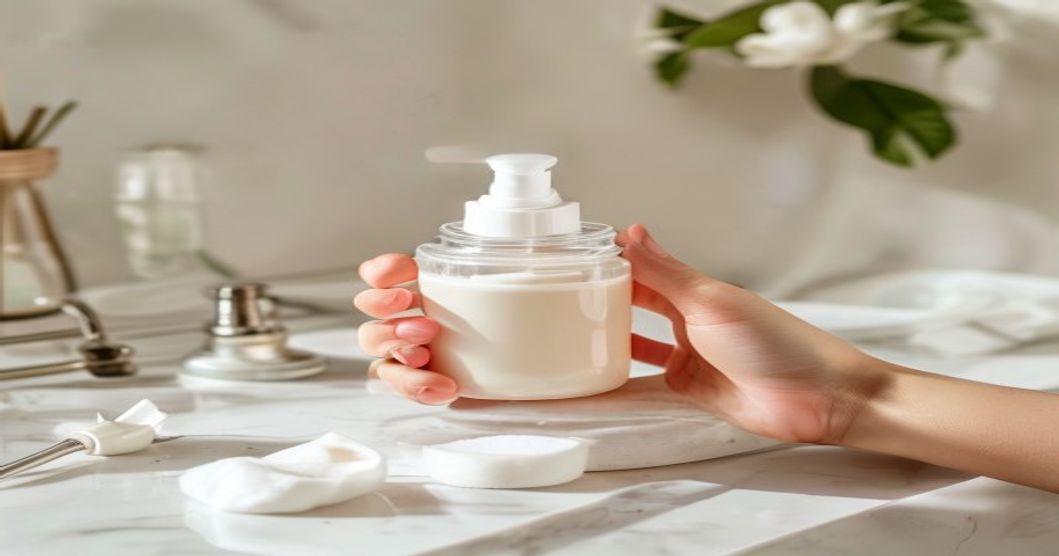
How to use it: splash with lukewarm water, use about a nickel to dime-sized amount, massage gently for 30–60 seconds, rinse thoroughly. Don’t scrub—the salicylic acid is doing the exfoliating, your hands don’t need to. Pat dry, wait a minute for your skin to fully dry, then apply the rest of your routine.
Common Mistakes I See People Make
Using it too much, too fast. Starting with twice daily when you’ve never touched salicylic acid before is a guaranteed way to end up with angry, flaky skin and abandon the whole thing. Start once daily at night, and if your skin’s happy after a couple weeks, think about adding morning use.
Skipping moisturizer. A salicylic acid cleanser is a cleanser, not a treatment. After you cleanse, you still need to hydrate. A cleanser alone won’t turn your skin into a pore-free zone. You need actual moisture, barrier support, and probably some treatment serum or retinol if you want real results.
Picking the wrong strength for your skin. I see people with sensitive skin grab the strongest salicylic acid available because they think more potency equals faster clearing. It doesn’t—it just equals more irritation. Match the strength to your actual skin resilience, not your desperation for results.
Forgetting SPF. I already mentioned this, but I’m saying it again. Salicylic acid can increase sun sensitivity. Without at least SPF 30 daily (preferably SPF 50 if you’re outside a lot), you’re risking extra damage and potentially darkening any hyperpigmentation from acne marks.
Expecting miracles in two weeks. Real skin changes take time. You’re shifting your skin’s microbiome, reducing congestion, and letting fresh healthy skin come through. That’s a several-week minimum process. If you bail after two weeks because you didn’t see a total transformation, you’ll never know if it would’ve actually worked.
Why This Actually Matters for Your Skin Goals
A lot of acne advice treats your skin like it’s the enemy. Use harsher products. Strip more oil. Dry it out. Kill bacteria. But most people get better results from a consistent, gentle routine that clears congestion without nuking their skin barrier.
A good salicylic acid cleanser is that kind of product. Not flashy. Not a $70 targeted serum or a fancy treatment mask. It’s a foundational cleanser that actually does the work a lot of people need done. When you match it to your skin type and stick with it, it genuinely helps many people.
The real goal isn’t flawless skin—it’s clear, healthy, comfortable skin. That usually comes from a solid cleanser, proper hydration, targeted actives if you need them, and sunscreen. Not from chasing the mythical “best” product.
Choose a salicylic acid cleanser based on your actual skin type, not what’s trendy. Oily skin usually thrives with 2% in a gel; combination skin often does better with 1–1.5% in a gel or micellar formula; dry or sensitive skin typically needs 0.5–1% in a creamy or gentle base. Use it consistently (once daily to start), moisturize after, wear SPF daily, and give it several weeks before deciding if it’s working. If you hit irritation, dial back how often you use it or go lower concentration instead of quitting entirely. For a lot of people, this basic cleanser makes a real difference in breakouts and congestion.