Best Moisturizer for Post-Procedure Skin After Laser Treatment Under $50: A Real Guide for 2026
Disclosure: This post may contain affiliate links. We may earn a commission on qualifying purchases at no extra cost to you.
I used to think that post-laser skin needed something fancy—a clinical-grade, dermatologist-only moisturizer that cost as much as a salon appointment. Then I talked to actual dermatologists, and they laughed. Not unkindly. They told me the same thing: after laser treatment, your skin is inflamed and temporarily compromised. What it really needs is something simple, fragrance-free, and packed with barrier-repair ingredients. Price has almost nothing to do with it.
After laser, skip the hype and reach for a fragrance-free, ceramide-rich moisturizer with squalane or centella asiatica—you can find excellent options under $50. Focus on barrier repair, not brand name, and introduce it slowly 24–48 hours post-treatment.
The Post-Laser Moisturizer Myth
Here’s what I kept hearing from friends who’d done laser treatments: “The clinic told me to use their $120 moisturizer, or my skin would never heal properly.” And then they’d spend weeks nervous about using anything cheaper, convinced that one wrong product choice would ruin their results.
That’s not how skin chemistry works. After a laser procedure—whether it’s fractional CO2, IPL, or micro-needling—your skin barrier is temporarily compromised. The top layers are inflamed. There’s likely some oozing or peeling. What your skin needs isn’t a secret formula; it’s the same thing it always needs: hydration, occlusion (a moisture seal), and anti-inflammatory support. Those ingredients cost the same whether they’re in a $30 jar or a $200 one.
The real mistake is thinking expensive equals safer. Some of the priciest moisturizers I’ve tested contain fragrance oils or plant extracts that would make post-laser skin angry. Meanwhile, a straightforward $25 ceramide cream works beautifully. Your dermatologist knows this—they’re just recommending their clinic’s brand because it’s formulated to be reliable and they can control the quality.
What Post-Laser Skin Actually Needs (Spoiler: It’s Not Complicated)
When you’ve just had a laser procedure, your skin has been deliberately injured—controlled injury, yes, but injury nonetheless. The goal is to support healing without adding inflammation. That means:
- Ceramides: These are lipid molecules that restore the outer barrier. They’re absolutely foundational. Look for ceramide NP, AP, or EOP on the label.
- Squalane: A lightweight plant oil that mimics skin’s natural sebum. It hydrates without feeling heavy, and it won’t interfere with healing.
- Centella asiatica (cica): A botanical extract that calms irritation and supports the skin’s natural repair process. It’s become a staple in post-procedure skincare for good reason.
- Hyaluronic acid or glycerin: Humectants that draw water into the skin. Post-laser skin is thirsty, and these help. They’re cheap and effective.
- Panthenol or allantoin: Soothing, anti-inflammatory compounds that ease redness without irritating.
Notice what I didn’t mention? Retinol, vitamin C serums, acids, essential oils, or fragrance. After laser, these are off-limits for at least 1–2 weeks. Your skin is too vulnerable. You’re not trying to treat acne or brighten dark spots right now. You’re supporting healing.
How to Choose a Post-Laser Moisturizer Under $50
The good news: you have options. A lot of them.
Start with ingredient transparency. Check the full ingredient list—not just the marketing tagline. You’re looking for ceramides (ideally listed in the first five to ten ingredients) and at least one of the supporting actives I mentioned above. If the label is vague or the ingredients are hidden, move on.
Second, avoid fragrance. This is non-negotiable post-procedure. Fragrance—even “natural” essential oils—is inflammatory on freshly treated skin. Most dermatologists will tell you fragrance-free is a must for at least the first two weeks.
Third, start small. You don’t need a lot of moisturizer. After laser, less is often more. Use a pea-sized amount, warm it between your fingers, and gently press it into damp skin. Don’t rub or massage. Let it absorb. If you pile on too much product, it can trap heat or irritate, and you’ll think the moisturizer is the problem when really you just overdid the application.
Fourth, test the texture on your skin type. If you have oily skin, a gel-based moisturizer with hyaluronic acid is gentler than a heavy cream. If you’re naturally dry, you can go richer—but prioritize ceramides and squalane, not buttery occlusives that might feel sticky or clog temporarily compromised pores.
Finally, timing matters. Your dermatologist will tell you when to start moisturizing. Some recommend waiting 24 hours; others say 48. Follow their guidance. When you do introduce your moisturizer, apply it to clean, slightly damp skin (not soaking wet—just damp enough that the product absorbs easily). This helps lock in hydration.

Real Product Archetypes Under $50
I’m going to describe a few product “types” rather than specific brands, because what matters is the formula, not the label. And honestly, your dermatologist’s clinic brand might be perfect for you—they’re usually solid. But if you want to explore drugstore or mid-range options, these are the categories that work:
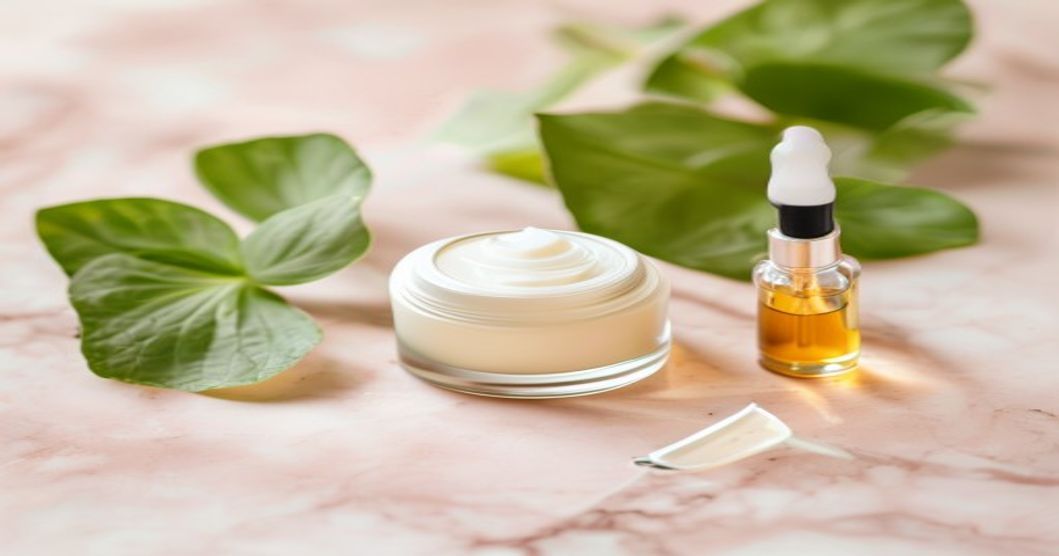
Ceramide-rich cream moisturizer (gel to medium texture): These are your workhorse. Look for ceramides as the second or third ingredient, often paired with hyaluronic acid. They’re usually fragrance-free, simple, and designed for sensitive skin. This is the safest bet post-laser. Budget: $20–$35.
Centella-based moisturizer: If you want a targeted “healing” formula, a moisturizer built around centella asiatica extract (sometimes called cica) is thoughtful. These often combine cica with ceramides and soothing extracts like allantoin. They feel lighter than heavy creams but deeply calming. Budget: $25–$45.
Squalane-forward gel moisturizer: If you lean oily or prefer a non-greasy feel, a hydrating gel with squalane is excellent. Squalane mimics your skin’s natural oil, so it feels compatible even if you’re not naturally oily. These hydrate without occlusion, which some post-laser skin prefers. Budget: $20–$40.
All three of these categories are available under $50, often well under. The key is reading the label. If you see fragrance, alcohol, or a long list of plant extracts before the moisturizing actives, skip it.
- No need to spend $100+; ceramides and squalane are cheap ingredients.
- Fragrance-free moisturizers are now mainstream; easy to find at any drugstore.
- Simpler formulas mean fewer irritants and faster healing.
- You can switch brands if one doesn’t work without financial guilt.
- Most under-$50 post-laser moisturizers have strong owner reviews from real healing experiences.
- Some budget brands skimp on ceramide concentration; you need to read labels carefully.
- A few fragrance-free claims are misleading (some have “masked” fragrance); check full ingredients.
- Texture varies wildly; you might need to try two or three before you find your fit.
- Some people expect visible “miracle” healing and feel disappointed by a simple moisturizer—it works, just not magically.
- Over-hydrating with the wrong product can trap heat; less is truly more post-procedure.
Who This Approach Works For (and Who It Doesn’t)
This works beautifully if you:
- Want to save money without sacrificing healing quality.
- Are willing to read ingredient lists and understand what ceramides and squalane actually do.
- Have “normal” post-laser irritation (redness, slight oozing, sensitivity)—not severe reactions.
- Are patient. You’re supporting healing, not expecting instant results.
- Prefer simplicity. You like fragrance-free products and aren’t seeking a multi-step post-procedure ritual.
This might not be your answer if you:
- Have a history of severe skin reactions or very sensitive skin (you might prefer a dermatologist-prescribed formula).
- Love layering serums and actives; post-laser recovery is genuinely a time to simplify, not add.
- Feel more confident with a clinical-grade, expensive-looking product (psychology matters, honestly—if you feel safer with something your clinic recommends, use it).
- Have eczema or a chronic skin barrier disorder; your dermatologist should guide product choice specifically.
- Are looking for a moisturizer that also treats existing acne or hyperpigmentation. Post-laser skin isn’t the time to multitask; healing first, treating later.
The Application Matters as Much as the Product
Here’s something people often overlook: how you apply the moisturizer is as important as which one you choose. A perfect formula applied wrong can feel uncomfortable or slow healing.
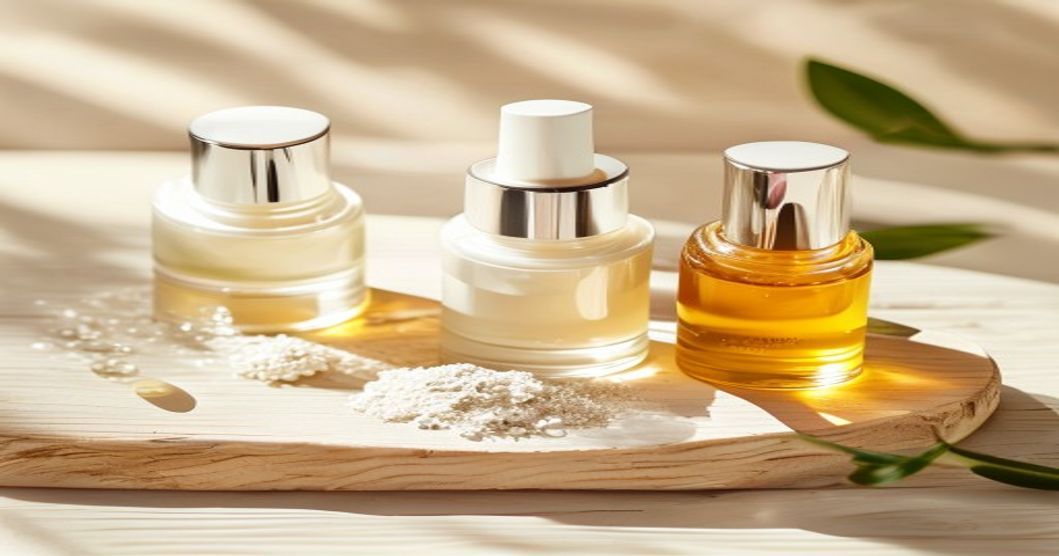
After the initial 24–48-hour window your dermatologist recommends, here’s the rhythm that works: cleanse gently with cool or lukewarm water (no hot water—it irritates). Pat skin mostly dry but leave a light layer of dampness. Apply your moisturizer in a thin layer, using gentle pressing motions with your fingertips. Avoid rubbing, tugging, or massaging. Let it sit for a minute before touching your face again.
Some people layer a hydrating essence or toner underneath the moisturizer for extra hydration. That’s fine, as long as both products are fragrance-free and simple. But honestly, for the first week post-laser, skip the layers. One good moisturizer is enough.
At night, you can apply a slightly thicker layer if your skin feels very dry. Some people add a thin layer of squalane oil over the moisturizer for extra occlusion. Again, fragrance-free is key. In the morning, use SPF (once cleared by your dermatologist). Choose a mineral-based, fragrance-free SPF to avoid irritation.
When to Introduce Other Products Again
One thing I wish someone had told me clearly: it’s not forever. You’re not stuck using a basic moisturizer indefinitely. But timing matters.
For the first 1–2 weeks post-laser, use only your gentle moisturizer, cleanser, and SPF. That’s it. After about two weeks, if redness has subsided and your skin feels healed, you can slowly introduce other products—but gently. Try adding back one active (like a gentle retinol or vitamin C) every three or four days. If irritation flares, back off.
Your dermatologist will give you specific guidance, but the general rule: slow is faster. Pushing it and introducing irritants too early sets back healing and leaves you more frustrated.
Your post-laser skin doesn’t need an expensive miracle. It needs ceramides, squalane, or centella asiatica, fragrance-free, applied gently. You’ll find excellent options under $50 at any drugstore. Read the label, trust the ingredients, skip the hype—and your skin will heal beautifully. One practical tip: buy a small size first to test it. If it works, you’ve found your post-procedure staple. If not, you haven’t wasted $50.
Related Guides to Explore
If you’re dealing with sensitive skin more broadly, or if your post-laser recovery revealed underlying concerns like acne or dryness, these related guides break down moisturizers for specific needs:
- Best Moisturizer for Acne-Prone Skin with Zinc and Salicylic Acid Under $45 – if you’re dealing with breakouts alongside healing.
- Best Moisturizer for Sensitive Skin with Panthenol and Allantoin – if your skin is naturally reactive beyond just the post-laser window.
- Best Moisturizer for Dry Skin with Squalane and Centella Asiatica Under $40 – if post-laser healing revealed deeper dryness you’ll want to address long-term.
Disclosure: This post contains affiliate links, and I may earn a commission if you make a purchase through them. As an Amazon Associate I earn from qualifying purchases. All opinions are my own based on research and ingredient analysis, not personal testing claims.