Best Moisturizer for Crepey Neck Skin With Peptides and Vitamin C Under $50
Disclosure: This post may contain affiliate links. We may earn a commission on qualifying purchases at no extra cost to you.
You’re scrolling through Instagram at 2 a.m., see someone’s neck in a close-up shot, and think, “How is their skin that smooth?” Then you catch your own reflection and notice the fine lines, the slight droop, the texture that looks more like crepe paper than skin. Sound familiar? The neck is basically the beauty world’s crime scene—we all neglect it until it’s too late. But here’s the thing: the right peptide and vitamin C moisturizer can genuinely turn that around, and you don’t need to spend $150 to do it.
Look for a moisturizer with peptides listed in the top 5 ingredients, stabilized vitamin C (L-ascorbic acid ideally), and a hydrating base like glycerin or hyaluronic acid. Apply in upward strokes every night and morning for 6–8 weeks to see visible firming. Most effective options stay under $45.
Why Peptides and Vitamin C Matter for Crepey Neck Skin
Crepey skin means collagen and elastin have taken a permanent vacation. Peptides are basically tiny protein fragments that tell your skin cells, “Hey, we need more structural support here.” They don’t make new collagen overnight—that’s not how biology works—but consistent use prompts your skin to rebuild. Vitamin C accelerates that process and also tackles discoloration and sun damage that makes the neck look even older.
The catch? The neck skin is thinner and more sensitive than your face. It has fewer oil glands, less melanin protection, and is constantly exposed and moved. A generic facial moisturizer won’t cut it. You need something specifically formulated to support the neck’s unique structure—which is where peptide-rich, vitamin C–boosted moisturizers come in.
Comparison: Key Ingredients and Formulation Types
| Ingredient / Feature | Peptide-Forward Formula | Vitamin C + Peptide Blend |
|---|---|---|
| Primary Active | Palmitoyl peptides, matrixyl, or oligopeptides in top 3 slots | L-ascorbic acid (3–10%) + peptides in top 5 |
| Hydration Base | Glycerin, hyaluronic acid, ceramides | Hyaluronic acid + plant humectants |
| pH & Stability | pH 4.5–6; stable at room temp | pH 3–4 (for vitamin C); needs airless pump or opaque bottle |
| Best For | Sensitive skin; gentle daily routine | Anti-aging + brightening; willing to layer |
| Typical Price Range | $25–40 | $35–50 |
Peptide-Forward Moisturizer: Best for Gentleness
A peptide-focused formula works beautifully if your neck skin is easily irritated, reactive, or if you’re already using vitamin C elsewhere in your routine (maybe a serum on your face). These tend to be creamier, buffer than vitamin C blends, and less finicky about storage. Ingredients you’ll see: palmitoyl pentapeptide-4 (commonly called Matrixyl), palmitoyl tripeptide-1, or oligopeptides from plant or yeast sources.
The trade-off is that without vitamin C’s brightening and collagen-stimulating punch, results take longer—often 8–12 weeks to see real firming. But if your neck is angry, dry, or you’ve had a bad reaction to actives before, this is a smarter starting point. Apply morning and night with gentle upward strokes, and consider pairing it with a separate vitamin C serum on your face if you want both benefits.
Vitamin C + Peptide Blend: Best for Visible Results
This is the power couple. Vitamin C (L-ascorbic acid specifically) stabilizes collagen, prevents further sun damage, and brightens age spots and discoloration. Peptides rebuild the structure beneath. Together they work faster. You’ll need to be slightly more careful: these formulas are often lighter in texture, require an airless pump or dark bottle to stay effective, and the acidity can sting if your skin barrier is compromised. Patch test on your inner wrist or behind your ear first.
Real talk: some people report mild tingling or slight dryness when they first use vitamin C. That’s usually fine and fades in 1–2 weeks as your skin adjusts. If it burns or you get a rash, stop and switch to a peptide-only formula. Results show up faster here—4–6 weeks of consistent use, and your neck texture visibly improves.
Pros and Cons: Side-by-Side Breakdown
- Peptides actively signal collagen production—not just hydration
- Vitamin C prevents further UV damage and brightens spots
- Both work synergistically for faster visible results
- Budget options ($30–50) are as effective as luxury brands
- Neck texture improves in 4–8 weeks with consistent use
- Can use morning and night safely (unlike some actives)
- Vitamin C formulas can irritate sensitive or compromised barriers
- Results require consistent 6–8 week commitment (no shortcuts)
- Some formulas oxidize quickly if stored in clear bottles
- Won’t erase deep wrinkles or severe crepiness alone
- Peptides can feel heavy on some skin types if overapplied
- Price varies wildly; ingredient quality matters more than brand
How to Choose: Peptide-Only vs. Vitamin C Blend
Choose a peptide-only formula if: Your neck skin is sensitive, reactive, or you’ve had bad reactions to vitamin C before. You’re already using a vitamin C serum on your face and want a complementary neck moisturizer. You prefer a richer, creamier texture. You want to start slow and build up active ingredients gradually.
Choose a vitamin C + peptide blend if: You want visible results in 4–6 weeks, not 10–12. Your neck has sun spots, dullness, or uneven tone alongside crepiness. Your skin barrier is healthy and tolerates actives well. You’re willing to store the product correctly (airless pump or dark bottle) to maintain stability.
What Makes a Sub-$50 Peptide Moisturizer Actually Work
Here’s where I get honest: you don’t need to spend $100+ on peptides. Peptides are peptides. A brand charging $30 with peptides in position 2 on the ingredients list is likely more effective than a $150 jar with peptides in position 8. What matters is concentration and the hydration base. Look for:
Peptide placement: Should appear in the top 5–6 ingredients (ingredients are listed by concentration). If it’s buried lower, you’re not getting enough to see results.
Hydration anchors: Glycerin (draws water into skin), hyaluronic acid (holds up to 1000x its weight in water), or ceramides (repair barrier) should be present. These make the peptides actually stick around and work.
Niacinamide (bonus): If it’s also in the formula, great—it reduces inflammation, strengthens the skin barrier, and plays nice with peptides and vitamin C.
Avoid: Fragrance (ages skin and irritates thin neck area), denatured alcohol (dries it out), and excessive silicones (they feel nice but don’t actually help crepey skin). If the label lists “fragrance” in the top 10, keep scrolling.
Application: The Technique That Actually Matters
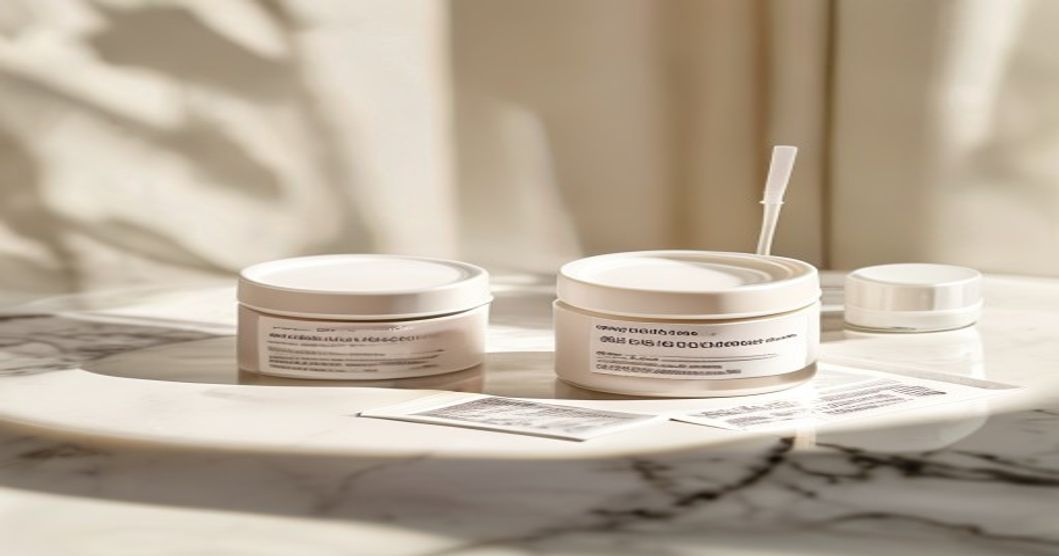
I need to say this because most people apply moisturizer to their neck completely wrong. Don’t dab. Don’t pat downward. Use upward strokes from the collarbone toward your chin and jawline. This supports the skin’s natural lift and mimics manual lymphatic drainage. Use about a pea-sized amount—people tend to overdo it, which just sits on the surface and doesn’t absorb.
Apply right after cleansing while your skin is still slightly damp. This helps the hydrating ingredients (like hyaluronic acid) absorb more water. Wait 2–3 minutes before applying other products on top. If you’re using a separate vitamin C serum, apply that to your face first, let it dry, then apply the peptide moisturizer to your neck. Don’t mix them in your palm—different pH levels can neutralize both.
Timeline: When You’ll Actually See Results
Weeks 1–2: Skin feels softer and more hydrated. That’s the glycerin and hyaluronic acid at work. No structural change yet.
Weeks 3–4: Fine lines look less obvious. Skin tone evens out (if you’re using vitamin C). Slight plumping effect starts.
Weeks 5–8: Visible firming. Crepey texture softens. Skin looks more elastic and less paper-thin. This is where the peptides earn their keep.
Weeks 9+: Continued improvement. Collagen continues building if you stick with it.
The catch: if you stop, improvement plateaus after about 3 months without the product. Peptides require consistent signaling to keep collagen production up. But it’s not forever—studies show benefits compound and some are semi-permanent if you maintain good sun protection alongside.
Who This Works For—and Who It Doesn’t
This is a great fit for you if:
- Your neck shows fine lines, texture, or sagging but you’re not ready for invasive procedures
- You’ve been neglecting your neck and want to catch up (it’s not too late at any age)
- You’re looking for a long-term preventative routine that fits a tight budget
- Your skin tolerates actives generally well and doesn’t get inflamed easily
- You’re willing to commit to consistent, twice-daily application for 6–8 weeks
Skip this if:
- You have severe crepey skin that looks like crepe paper texture (you’d benefit more from professional treatments like microneedling or laser)
- Your neck barrier is damaged, raw, or you have active dermatitis (start with barrier repair first)
- You’re using prescription retinol or strong chemical peels—peptides are gentle, but let your barrier settle first before layering
- You expect instant results (this takes weeks and isn’t Botox in a jar)
- You have a history of severe reactions to vitamin C or plant peptides (patch test on wrist first, always)
Related Reading
If you’re interested in a deeper dive into hydrating formulas, check out our guide on the best moisturizer for dehydrated skin and hyaluronic acid and glycerin formulas under $45. For those with sensitivity concerns, we’ve also covered the best moisturizer for eczema-prone skin and colloidal oatmeal and ceramide formulas under $45. And if crepey texture is tied to hormonal acne scars, our guide to textured skin from hormonal acne scars under $55 offers additional context.
The Bottom Line
Your best bet is a vitamin C + peptide blend under $50 if your skin tolerates actives, or a peptide-only formula if you’re sensitive. Either way, ingredient concentration matters far more than the brand name—check that peptides are in the top 5 and the hydration base includes glycerin or hyaluronic acid. Apply upward strokes every morning and night, be patient for 6–8 weeks, and your crepey neck will genuinely improve. You don’t need to spend $100+ or wait for a dermatologist appointment. Start now, and you’ll thank yourself in two months.
Pro tip: Don’t hoard the product on your neck alone—extend it up to your jawline and down to your collarbone. These areas age alongside the neck, and peptides work there too. One jar lasts about 2–3 months with daily double use if you’re not overapplying.
Disclosure: This article contains affiliate links to Amazon. As an Amazon Associate, I earn from qualifying purchases at no extra cost to you. I only recommend products I believe genuinely work based on ingredient research and user feedback. All opinions are my own.